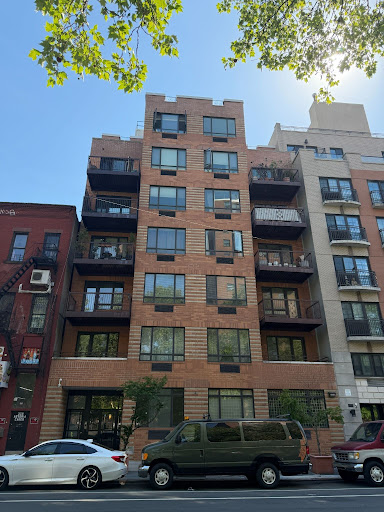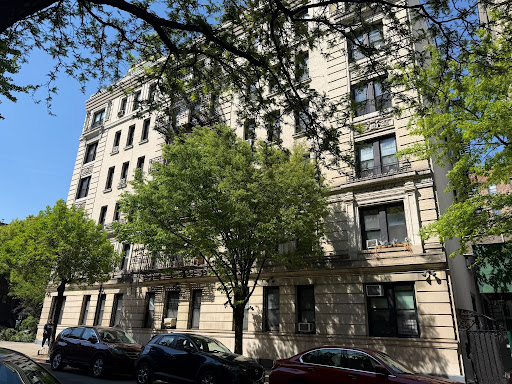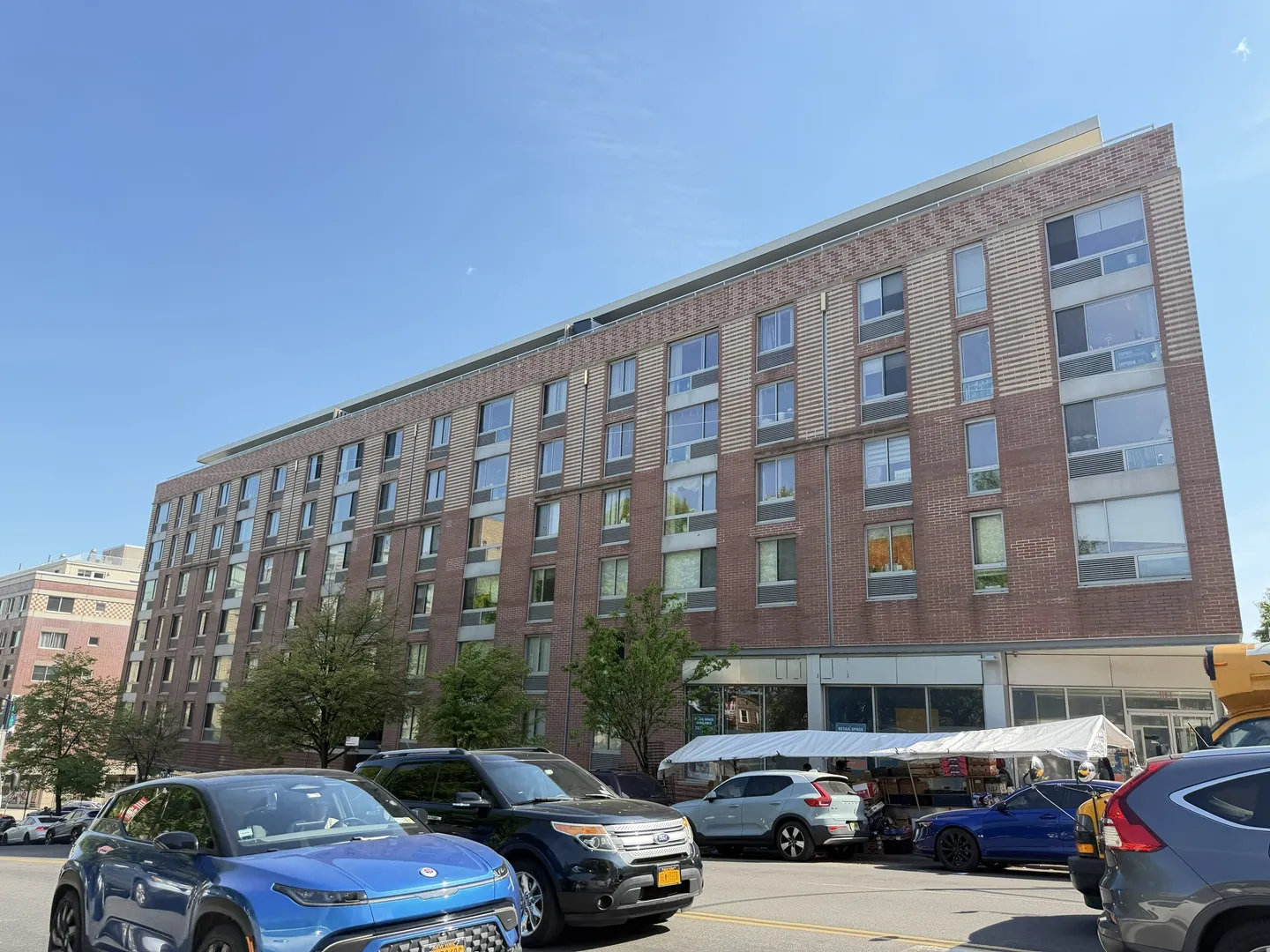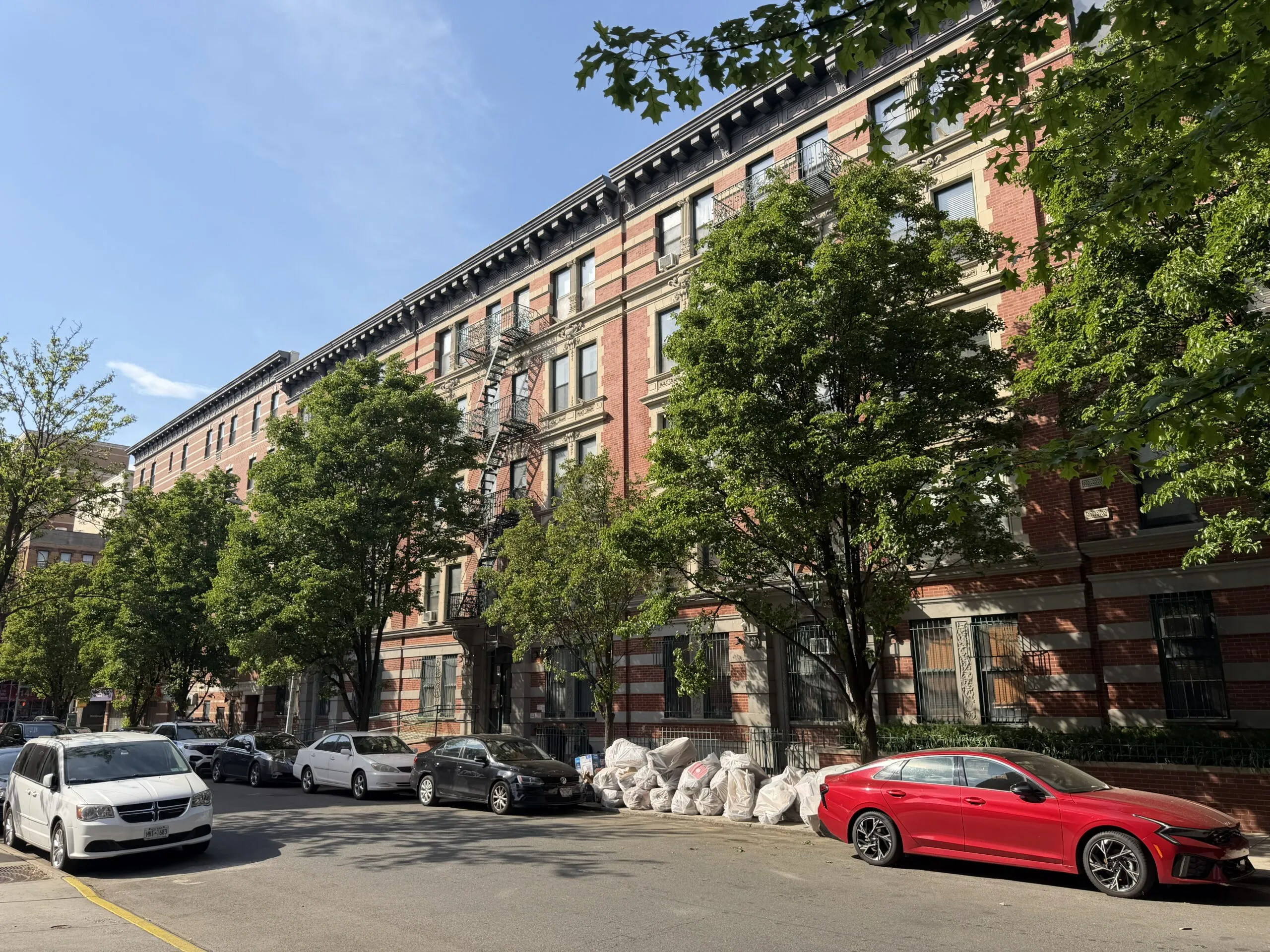
Choosing a property management company in FiDi is one of the more consequential decisions a condo or co-op board will make, because the wrong partner can turn a well run building into a source of constant frustration for owners. FiDi’s mix of ultra modern towers and converted pre-war buildings means boards need a partner who understands both worlds, not a generalist stretched thin across neighborhoods they don’t know well. At HPM, we work with Manhattan boards who came to us tired of slow responses and vague financial reporting, and we know exactly what a board should look for before signing a management agreement.
This guide walks through what makes FiDi different, the questions every board should ask, and the qualities that separate a strong management partner from an average one.
What Makes FiDi Buildings Different
The Financial District is unlike most other Manhattan neighborhoods, and that shapes what boards need from a management company.
FiDi is home to a dense mix of high-rise luxury condo towers and historic office buildings converted into residential co-ops. A forty-story glass tower with a full amenity package has very different operational needs than a converted early twentieth century building with a smaller number of larger units. A management company that only knows one type of building will struggle to serve the other well.
Residents in FiDi buildings also tend to expect a certain level of service. Many buildings offer concierge desks, fitness centers, resident lounges, and other amenities that need to be staffed, maintained, and budgeted for correctly. Boards need a management partner who can plan for these costs accurately and keep the amenities running without constant complaints from owners.
The neighborhood’s logistics add another layer of complexity. Loading docks, service elevators, and building access all have to work around a dense financial district with heavy daytime foot traffic, delivery restrictions, and street closures during business hours. A management company with real New York City experience knows how to plan deliveries, contractor visits, and building work around these constraints instead of learning the hard way.
Finally, many FiDi buildings sit close to landmarks, government buildings, and major transit hubs, which means permitting, safety requirements, and compliance with city regulations often carry extra scrutiny. Boards need a partner who stays current on Local Law requirements and files everything correctly and on time.
The neighborhood has also seen a wave of office-to-residential conversions in recent years, which means some FiDi boards are managing buildings with a somewhat different structure than a traditional co-op or condo built from the ground up as residential. These converted buildings sometimes carry unique mechanical systems, layouts, or shared infrastructure left over from their previous use, and a management company needs to understand those particulars rather than treat every building as a standard template.
Questions Every Board Should Ask Before Hiring
Before a board signs an agreement with any property management company, it’s worth asking a short list of pointed questions. The answers reveal a lot about how the company actually operates day to day.
How is communication handled, and how fast is the response time?
Ask for specifics. A vague answer like “we respond quickly” isn’t useful. Ask what the average response time is for a routine maintenance request versus an emergency, and ask how owners can reach the management team outside business hours.
What does the team structure look like behind the account?
Some companies assign a single property manager to a building and leave that person to handle everything alone. Others use a layered team so no single point of failure exists. Ask directly who will be working on the account and what happens when the primary manager is out sick or on vacation.
How are vendors selected and vetted?
A management company’s vendor relationships directly affect the quality and cost of repairs. Ask how vendors are chosen, whether pricing is competitive, and whether the board will have visibility into vendor invoices and contracts.
What technology does the company use for financials, maintenance requests, and reporting?
In 2026, a modern management company should offer a portal where board members and owners can see financial statements, track maintenance requests, and review building documents without waiting for someone to email a PDF.
Can the company provide references from similar buildings?
A company that manages mostly other kinds of properties won’t necessarily understand what a condo or co-op board actually needs. Ask for references from other board-run buildings, ideally in Lower Manhattan, so you can hear directly from people who have sat where you’re sitting now.
The Case for a Layered Management Team
One of the biggest differences between management companies is whether they rely on a single property manager per building or a full team.
At HPM, every building we manage gets a designated property manager, but that manager doesn’t work alone. Each account also has an account executive who oversees the relationship at a higher level, an assistant manager who supports day-to-day tasks, and task managers who handle specific maintenance and vendor coordination work. You can read more about how our team is structured on our site. This layered structure means a board never has to wait for one person to get back from vacation or catch up on a backlog before an issue gets addressed.
This approach also improves accountability. When responsibilities are spread across a team, it’s much easier to track who owns which task and to catch problems before they become bigger issues. A single overworked manager juggling ten buildings alone is far more likely to let things slip through the cracks than a team built specifically to prevent that.
For FiDi buildings especially, where amenity spaces, vendor contracts, and compliance filings all require ongoing attention, a layered team means nothing depends on one person’s bandwidth. Board members get faster answers because more than one qualified person actually knows what’s going on with the building.
Technology and Transparency in Financial Reporting
Financial transparency is one of the most common frustrations board members raise about their current management company, and it’s usually the easiest thing to fix with the right technology.
A good property management partner gives board members real-time access to a portal where they can review financial statements, bank balances, budgets, and vendor invoices whenever they want, not just when the management company sends a report at the end of the month. This kind of access removes the guesswork and builds trust between the board and the people managing their building’s money.
At HPM, our financial management approach is built around clear, detailed monthly statements and proactive budget forecasting, so boards always know exactly where their finances stand. When a board can log in and see the numbers themselves instead of waiting for someone to explain them, decisions get made faster and with more confidence.
Technology also extends beyond financials. Maintenance request tracking, digital voting, and building communication tools all help a board run more efficiently and give owners visibility into what’s happening in their building. Boards evaluating a company in FiDi should ask to see the actual technology platform in action before signing anything, not just take a sales pitch at face value.
Red Flags to Watch For
Some warning signs show up early if a board knows what to look for.
Slow response times during the sales process often predict how the relationship will go after signing. If a company takes days to answer basic questions during a proposal, that’s a preview of what to expect once you’re a client.
Unclear or shifting fee structures are another red flag. A trustworthy management company explains its fees clearly upfront and doesn’t bury surprise charges in the fine print.
Watch for a lack of a vetted vendor network. If a company can’t explain how it selects contractors or won’t share vendor pricing with the board, that’s worth questioning. A full-service management company should be able to speak confidently about its vendor relationships and how those relationships benefit the building.
Finally, be cautious of companies that seem to manage a wide mix of building types without much focus. A company that spreads itself across many different kinds of properties may not have the depth of condo and co-op specific experience your board actually needs.
Pay attention too to how a company handles disagreements or difficult conversations during the proposal process. If a company gets defensive or evasive when a board asks tough questions upfront, that pattern rarely improves once the contract is signed. A confident, experienced management company welcomes scrutiny because it knows its process holds up.
What a Strong Onboarding Process Looks Like
The first few months with a new management company set the tone for the entire relationship, so it’s worth asking how a company approaches onboarding before you sign anything.
A thorough onboarding process starts with a full review of the building’s existing contracts, vendor relationships, financial records, and open maintenance items. The management company should take time to understand the building’s history rather than applying a generic checklist to every new account. This is especially important in FiDi, where a mix of amenity spaces, compliance filings, and vendor relationships all need to be reviewed and organized correctly from day one.
Boards should expect a clear transition timeline, with specific milestones for when financial records will be fully transferred, when the portal will be live for owners, and when the assigned team will have completed a full building walkthrough. A management company that can’t articulate this timeline clearly during the proposal stage may struggle to execute it smoothly once the account actually starts.
It’s also worth asking how the new management company plans to introduce itself to residents. A well handled onboarding process includes clear communication to owners about what’s changing, who to contact for different types of requests, and how to access the new portal, so residents aren’t left confused during the transition.
Understanding Management Fees and What They Should Include
Management fees can vary significantly between companies, and boards sometimes make the mistake of comparing proposals purely on price without understanding what’s actually included.
A transparent proposal breaks down exactly what the base management fee covers, whether that’s the assigned team’s time, portal access, standard reporting, and routine communication, versus what falls outside that scope and gets billed separately. Some companies bundle additional services like capital project oversight or extensive vendor coordination into the base fee, while others charge separately for anything beyond the basics.
Boards evaluating a property management company in FiDi should ask for a detailed, line-item breakdown of fees rather than accepting a single flat number. This makes it much easier to compare proposals fairly and avoid unexpected charges once the relationship is underway. A company confident in the value it provides will walk through its fee structure openly rather than rushing past the details.
How to Evaluate a Company’s NYC-Specific Expertise
New York City property management carries its own regulatory and logistical complexity that doesn’t translate from experience in other cities or even other parts of the region. A management company’s familiarity with New York City’s specific rules and rhythms should factor heavily into a board’s decision.
Ask how a company stays current on changes to city regulations, and ask for a specific example of how they helped a building navigate a compliance requirement or an unexpected city inspection. A company with genuine local expertise will have concrete examples ready, not vague generalities about experience.
It’s also worth asking how a company handles the practical logistics unique to Manhattan buildings, from coordinating deliveries and contractor access in a dense downtown environment to managing relationships with the city agencies that oversee compliance. A management company with real, specific New York City experience will speak confidently and specifically about these day-to-day realities.
Conclusion
Choosing a property management company in FiDi comes down to finding a partner who combines real technology, hands on expertise, and a team structure built to actually respond when your board needs them. The right partner won’t just manage your building, they’ll make your board’s job easier every single month.
Why Boards Choose HPM
We built HPM around the exact qualities boards in FiDi and across Manhattan tell us they’ve struggled to find elsewhere. Our layered management team means every building has more than one person who knows what’s going on, our technology gives boards real-time access to financials and maintenance tracking, and our vendor network is built on years of vetted, trusted relationships. We combine decades of NYC property management experience with the kind of modern tools boards actually want to use, and we back it all up with fast, reliable response times. If your board is evaluating options for your FiDi building, we’d welcome the chance to show you how we work. Reach out to schedule a consultation and see what a genuinely responsive management partner looks like.
Frequently Asked Questions
What should a FiDi co-op board look for in a property management company?
Boards should look for a company with direct experience managing similar buildings, a clear team structure, fast documented response times, transparent financial reporting, and a vetted vendor network. Asking for references from comparable buildings in Lower Manhattan is one of the best ways to confirm a company’s track record.
How much does condo property management cost in Financial District buildings?
Costs vary based on building size, amenity package, and the scope of services included, so it’s best to request a detailed proposal that breaks down management fees separately from vendor and maintenance costs. A transparent company will explain exactly what’s covered in its base fee.
What’s the difference between managing a condo versus a co-op board relationship?
Condo boards typically oversee common areas and building operations while individual owners handle more of their own unit finances, whereas co-op boards often have broader oversight, including approval processes for sales and financial screening of prospective owners. A management company should understand both structures and adapt its approach accordingly.
How often should a board hear from their property manager?
Most boards benefit from monthly financial reports at minimum, along with ongoing access to a portal for real-time updates, plus regular check-ins ahead of board meetings. Response times for day-to-day issues should typically be same-day or next-day at the latest.
What technology should a modern management company offer boards?
At a minimum, boards should expect a portal for financial statements, maintenance request tracking, and building document access. Many companies also offer mobile apps and digital voting tools that make it easier for boards and owners to stay engaged with building operations.

Jim Simari is Senior Vice President and co-owner at Harlem Property Management. With more than 25 years of experience in NYC condo and co-op management, he brings deep expertise in building operations, and asset performance. Jim oversees day-to-day property management operations across more than 85 residential buildings throughout Manhattan, Brooklyn, Queens, and the Bronx, ensuring consistent service, regulatory compliance, and long-term value for property owners.