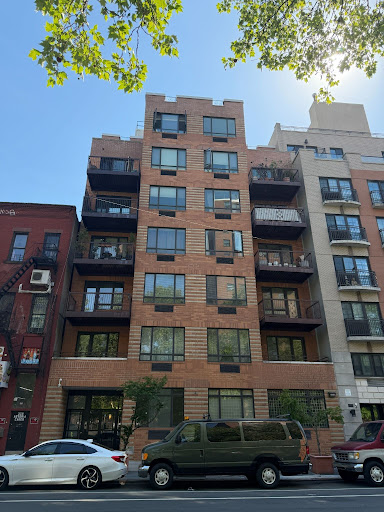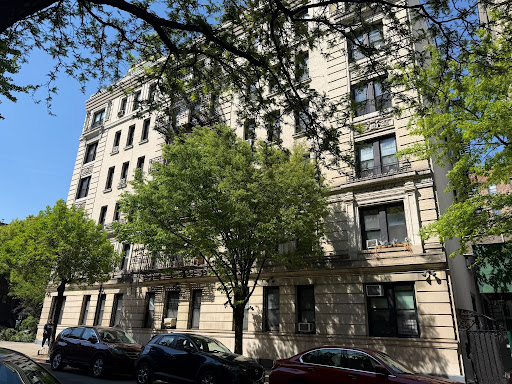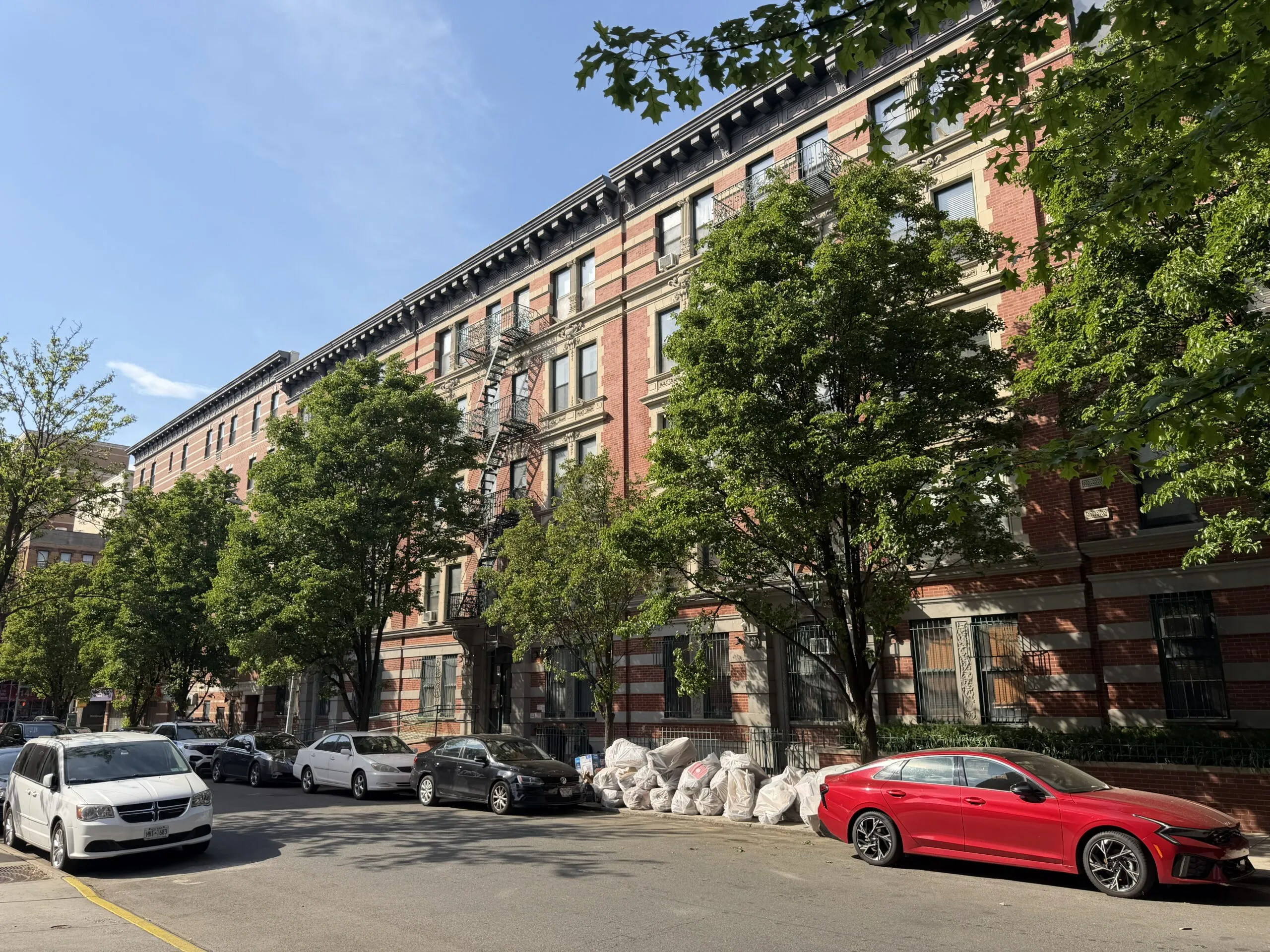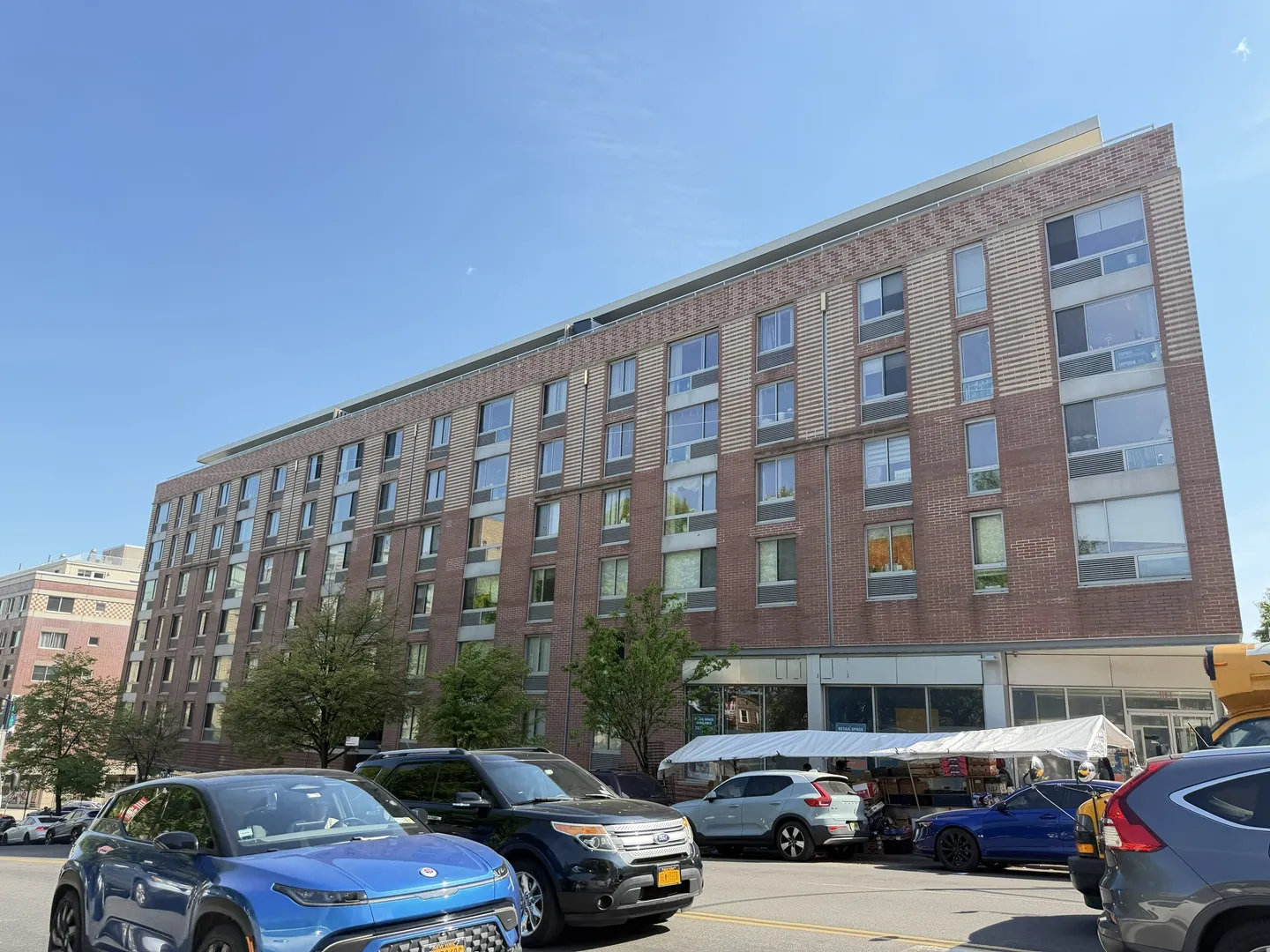
Property management companies in the West Village play a distinct role because the neighborhood’s co-op buildings look and operate very differently from the high-rise developments found elsewhere in Manhattan. West Village co-ops tend to be smaller, older, and full of character, with boards made up of long-term owners who know every inch of their building. At HPM, we’ve worked with boards across Manhattan neighborhoods like this one, and we understand that supporting a West Village co-op means respecting its history while still bringing modern operational standards to the table.
This article covers what makes West Village co-ops unique, the kind of support boards actually need, and how the right management partner builds long-term trust.
The Unique Character of West Village Co-op Buildings
Walk through the West Village and you’ll notice right away that the buildings feel different from the rest of Manhattan. Many are pre-war structures with a handful of units per floor, tucked along tree-lined streets in one of the city’s most historic landmark districts.
This character comes with real operational considerations. Many West Village buildings fall within landmark preservation districts, which means exterior repairs, window replacements, and facade work often require additional approvals before any contractor can begin. A management company unfamiliar with these rules can cause costly delays or compliance problems for a board that didn’t know better.
Boards in these buildings are also often made up of owners who have lived there for decades. They know the building’s history, its quirks, and its long-standing relationships with local vendors. A good management partner respects that institutional knowledge instead of trying to impose a one-size-fits-all approach that ignores what makes the building unique.
Because these buildings are smaller, decisions often carry more weight per owner. A single unexpected repair or assessment affects a much larger share of the ownership group than it would in a five hundred unit tower, so the accuracy and communication around every financial decision matters even more.
Core Support Co-op Boards Need
West Village co-op boards generally need support in a few key areas that go beyond simple bill paying.
Financial oversight and reserve fund planning: Older buildings with aging infrastructure need a proactive approach to reserve funding. A management company should help the board plan years ahead for major expenses like roof work, boiler replacement, or facade restoration, not just react when something breaks.
Maintenance coordination for older building systems: Pre-war buildings often have older boilers, elevators, and plumbing systems that require specialized knowledge to maintain properly. A management company needs relationships with contractors who understand these older systems, not just newer construction.
Vendor management for specialized repairs: Historic facades, older elevator mechanisms, and vintage building details often require contractors with specific expertise. Boards benefit enormously from a management company with an established network of trusted, vetted vendors who already understand these kinds of repairs.
Compliance guidance for landmark districts: Because so much of the West Village sits within a historic district, boards need a management partner who understands the additional layers of approval required for exterior work and can help navigate that process smoothly.
Communication and Responsiveness
In smaller buildings, communication matters even more than in larger developments, because there’s no large staff buffering the relationship between the board and the management company.
Fast response times become especially important when a board is small and every owner is closely watching how issues get handled. A board member in a twelve-unit building notices immediately if a maintenance request sits unanswered for days, in a way that might get lost in the noise of a much larger building.
Direct access to a dedicated property manager, rather than a rotating call center or a general inbox, gives boards confidence that someone actually understands their building’s history and current situation. At HPM, our layered management structure means a board always has a consistent point of contact, backed by a full team, so questions get answered quickly without getting lost between departments.
Preserving Building Character While Modernizing Operations
One of the more delicate balances in West Village property management is keeping a building’s historic character intact while still bringing modern reporting and operational tools into the picture.
Boards shouldn’t have to choose between preserving their building’s charm and having access to real-time financial reporting. A modern management company can offer portal access, digital financial statements, and maintenance tracking tools even in a building that’s over a century old. The building’s physical character stays untouched, but the operational side becomes far more transparent and efficient.
This modernization also helps with long-term planning. When a board can see clear historical data on maintenance costs and reserve fund contributions, it becomes much easier to plan responsibly for the kind of major capital work that older buildings eventually require.
How the Right Partner Builds Long-Term Trust With a Board
Trust develops over time, and it’s built through consistency more than anything else.
Transparency in vendor selection and billing removes a common source of tension between boards and management companies. When a board can see exactly which vendors are being used and what they’re charging, there’s no room for suspicion or confusion.
Consistency of the same account team also matters enormously in smaller buildings. When a board works with the same property manager and account executive over multiple years, that team develops a deep understanding of the building’s history, its quirks, and its owners’ priorities. That kind of continuity is difficult to replicate when a management company rotates staff frequently or treats every building the same way.
The Role of a Dedicated Account Executive in a Small Building
In a smaller co-op, the relationship between the board and its account executive often becomes one of the most important working relationships the building has. Unlike a large tower where board members might interact with several different staff members for different issues, a West Village co-op board typically works closely with one or two consistent points of contact who understand the building inside and out.
A strong account executive does more than relay information back and forth. They help the board think through long-term decisions, flag potential issues before they become urgent, and bring context from other similar buildings they’ve worked with. For example, if a nearby co-op recently went through a facade restoration project, an experienced account executive can share what that process looked like, what unexpected costs came up, and how the board managed the assessment process with its owners.
This kind of proactive guidance is especially valuable for boards made up of volunteer owners who may not have professional property management or construction backgrounds. A good account executive translates technical or financial complexity into something the board can actually act on with confidence.
How Board Turnover Affects a West Village Building
Board membership changes over time, even in buildings where owners tend to stay for decades. New board members eventually join, and long-serving members eventually step back or move on.
A management company plays an important role in maintaining continuity through these transitions. When institutional knowledge lives primarily with the management team rather than solely with individual board members, the building doesn’t lose critical context every time board composition shifts. New board members can get up to speed quickly when their management company can walk them through the building’s financial history, ongoing projects, and past decisions.
This is one of the underappreciated benefits of working with an established management company for the long term. Rather than each new board starting from scratch, a good management partner serves as a steady thread of continuity that helps preserve decisions and priorities across changing board membership.
Working Through Major Capital Projects in an Older Building
Pre-war co-ops eventually face major capital projects, whether that’s a roof replacement, boiler upgrade, or full facade restoration required under local law. These projects tend to be more complex in historic buildings, both because of the specialized contractors required and because of the additional approvals often needed within a landmark district.
A management company experienced in these kinds of projects helps a board manage the entire process, from getting accurate bids from qualified vendors to communicating timelines and cost impacts clearly to owners. Because these projects often require a special assessment or a draw on reserve funds, clear financial communication throughout the project keeps owners informed and reduces the friction that can come with unexpected costs.
Vendor Relationships Unique to Historic Buildings
Older buildings often require contractors with very specific expertise that a typical vendor list won’t include. A pre-war elevator with original mechanical components, for instance, needs a technician who understands that particular type of system rather than a generalist elevator company used to servicing newer installations. The same is true for original wood windows, decorative ironwork, and masonry facades that require restoration techniques rather than standard replacement.
A management company with deep experience in historic Manhattan neighborhoods typically maintains relationships with a smaller pool of specialized contractors who understand this kind of work well. These relationships take years to build, and they matter enormously when a board needs a repair done correctly the first time rather than discovering months later that a well-intentioned but inexperienced contractor caused more damage than they fixed.
Boards should ask a prospective management company directly about their experience with historic building systems, and ask for specific examples of similar projects they’ve overseen. A company that can speak in detail about facade restoration timelines, landmark approval processes, or vintage elevator maintenance demonstrates the kind of hands-on expertise that generic property management experience simply doesn’t provide. This depth of experience often shows up in small details, like knowing which local craftspeople specialize in matching original molding profiles or which contractors have a proven track record navigating landmark district approvals efficiently.
Balancing Owner Expectations With Practical Realities
Owners in smaller co-op buildings often have strong opinions about how their building should be run, which makes sense given how directly building decisions affect their daily lives and their investment. A good management company helps a board balance these expectations against practical and financial realities.
This might mean helping the board communicate clearly why a particular capital project needs to happen now rather than being delayed further, or explaining the tradeoffs between different vendor options at different price points. Owners generally respond well to clear, honest communication about why decisions are being made, even when the outcome involves an assessment or a temporary inconvenience like scaffolding or construction noise.
A management company that helps facilitate this kind of communication, rather than leaving the board to handle every difficult conversation alone, makes a meaningful difference in how smoothly a building runs. This kind of support becomes especially valuable in smaller buildings where every owner’s voice carries real weight in shaping the building’s culture and decision-making process.
Supporting Boards Through Leadership Transitions
Even in buildings where owners tend to stay for many years, board leadership eventually changes hands. A longtime board president who has guided a building through multiple capital projects will, at some point, step back and hand that responsibility to someone else.
A management company plays a quiet but important role in making these transitions smoother. By maintaining clear, well-organized records of past decisions, ongoing projects, and financial history, the management team gives an incoming board leader a solid foundation to build on rather than requiring them to reconstruct years of institutional knowledge from scratch. This continuity matters especially in a West Village co-op, where a building’s approach to preserving its character often depends on decisions made and documented over many years.
A good management company also proactively supports new board members with a clear orientation to the building’s finances, ongoing projects, and vendor relationships, rather than leaving them to piece together the full picture on their own during their first few months in the role. This kind of structured handoff shortens the learning curve considerably and helps a new board member start contributing meaningfully to decisions much sooner than they would otherwise, which ultimately benefits the entire building and its long-term stability.
Conclusion
The right management partner protects both a West Village co-op’s historic character and its owners’ financial investment. Property management companies that understand this balance, combining respect for the building’s history with modern tools and consistent communication, are the ones that earn a board’s long-term trust.
Owners in these buildings ultimately benefit most when their board and management company treat the building’s history as an asset worth protecting, not an obstacle standing in the way of modern operations.
Why Boards Choose HPM
At HPM, we bring decades of experience supporting co-op boards across Manhattan neighborhoods, including buildings with the kind of historic character West Village owners care about protecting. Our layered team structure means your board gets a consistent, dedicated point of contact backed by real support, not a rotating cast of unfamiliar faces. We combine that consistency with modern technology, transparent financial reporting, and a trusted vendor network built over years of hands-on experience. If your board is looking for a management partner who understands what makes your building special, we’d welcome the opportunity to talk. Reach out to connect with our team and learn more about how we work.
Frequently Asked Questions
What does a property management company do for a West Village co-op?
A management company handles the building’s financial operations, coordinates maintenance and repairs, manages vendor relationships, and helps the board navigate compliance requirements, including the additional approvals often needed in historic landmark districts.
How is co-op property management different from condo management?
Co-op management typically involves more board oversight, including approval processes for unit sales and closer financial screening of prospective owners, while condo boards generally focus more narrowly on common area operations and building maintenance.
What should a co-op board budget for reserve funds?
Reserve fund needs depend on the building’s age, systems, and upcoming capital projects, so it’s best to work with a management company that can help project future costs based on the building’s specific infrastructure and maintenance history.
How often should a co-op board meet with their management company?
Most boards benefit from monthly financial updates and regular check-ins ahead of board meetings, along with ongoing portal access for real-time visibility between formal meetings.
What qualities matter most in a co-op property manager?
Boards should prioritize responsiveness, familiarity with older building systems, a strong vendor network for specialized repairs, and a genuine understanding of what makes their specific building and neighborhood unique.

Jim Simari is Senior Vice President and co-owner at Harlem Property Management. With more than 25 years of experience in NYC condo and co-op management, he brings deep expertise in building operations, and asset performance. Jim oversees day-to-day property management operations across more than 85 residential buildings throughout Manhattan, Brooklyn, Queens, and the Bronx, ensuring consistent service, regulatory compliance, and long-term value for property owners.