
Choosing the right Upper West Side Property Management Company is one of the most important decisions a condo or co-op board can make. In a neighborhood known for its historic charm, diverse architecture, and high-density residential living, managing a building is far more complex than it may initially appear. From maintaining aging infrastructure to complying with evolving city regulations, board members and apartment owners are constantly balancing responsibilities that require both expertise and precision.
At the same time, the expectations placed on management companies have evolved significantly. Today’s boards are not just looking for basic oversight. They need a partner that offers transparency, efficiency, and forward-thinking solutions. Without the right support, even well-run buildings can face financial strain, operational inefficiencies, and communication breakdowns.
This guide is designed to help you navigate that decision with confidence. By understanding what truly sets a high-performing management partner apart, you can make an informed choice that protects your building’s long-term value and enhances the experience of every resident.
Understanding The Role of A Property Management Company
A professional management company plays a central role in ensuring that condominiums and co-ops operate smoothly. Unlike other firms, these companies serve buildings where residents are owners, which creates a unique dynamic. Decisions are often made collaboratively by boards, and the management company acts as both an advisor and an executor.
In this context, responsibilities extend far beyond routine administration. A qualified team oversees Financial Management, prepares budgets, coordinates Building Operations & Maintenance, and ensures compliance with regulations such as Local Law 11 and Local Law 97. They also support boards in decision-making, manage vendor relationships, and provide consistent communication across stakeholders.
The distinction is important because managing owner-occupied buildings requires a deeper level of engagement, transparency, and accountability. A capable Upper West Side Property Management Company understands these nuances and aligns its services accordingly.
Why Local Expertise Matters In The Upper West Side
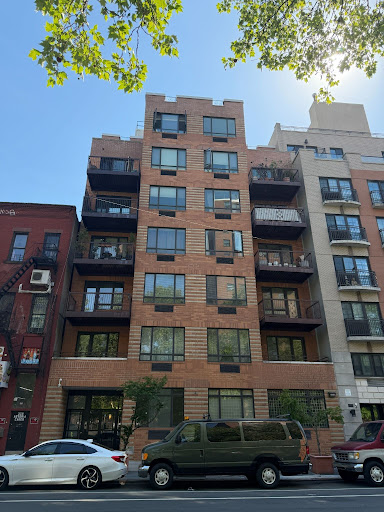
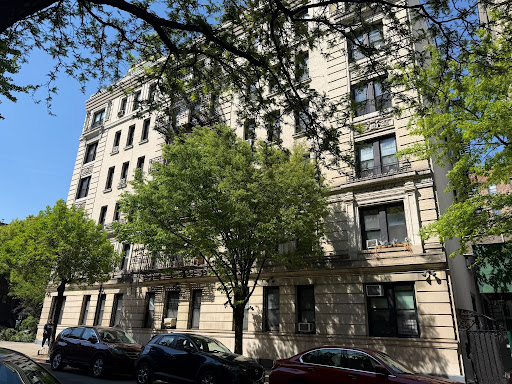
The Upper West Side presents a unique set of challenges that demand localized knowledge. Buildings in this area range from pre-war co-ops with intricate systems to modern condominiums with advanced infrastructure. Each comes with its own operational requirements and regulatory considerations.
Local expertise ensures that a management company is familiar with neighborhood-specific expectations, vendor networks, and compliance standards. For example, navigating façade inspections or energy efficiency mandates requires not only technical knowledge but also an understanding of how these regulations are applied within Manhattan.
Additionally, board members often value a management partner who understands the pace and demands of city living. A company with strong local roots can anticipate challenges, respond quickly, and provide solutions that are both practical and cost-effective. This is especially critical when evaluating an Upper West Side Property Management Company, as proximity and familiarity often translate into better service outcomes.
Key Qualities To Look For In An Upper West Side Property Management Company
Experience and Proven Track Record
Experience remains one of the most reliable indicators of a company’s capability. A management firm with a long-standing presence in New York City has likely encountered a wide range of scenarios, from complex capital improvements to regulatory compliance challenges.
Beyond years in business, it is essential to assess the breadth of their portfolio. Managing multiple condo and co-op buildings demonstrates scalability and consistency. Board members should look for evidence of long-term relationships, as these often reflect reliability and trust.
Technology-Driven Management
Modern property management is increasingly shaped by innovation. Companies that integrate Technology & Digital Tools offer significant advantages in communication, reporting, and operational efficiency. Real-time financial dashboards, digital work order systems, and centralized communication platforms allow board members to stay informed and engaged.
Technology also enhances transparency, reducing the likelihood of miscommunication or delayed updates. A forward-thinking Upper West Side Property Management Company leverages these tools not as an add-on but as a core component of its service model.
Layered Management Approach
One of the most valuable yet often overlooked features is a layered management structure. Instead of relying on a single point of contact, this approach assigns multiple professionals to each building, including a property manager, account executive, assistant manager, and support staff.
This structure ensures continuity, accountability, and faster response times. It also provides board members with access to a broader range of expertise. When evaluating options, consider how the team is organized and whether the company can provide comprehensive support at every level.
Evaluating Communication And Responsiveness
Clear and consistent communication is the foundation of effective management. Board members rely on timely updates to make informed decisions, and delays can lead to unnecessary complications.
A reliable management company prioritizes responsiveness across all interactions. This includes answering inquiries promptly, providing regular updates on ongoing projects, and maintaining open lines of communication with board members. Transparency is equally important. Detailed reports and proactive communication help build trust and ensure that everyone remains aligned.
Choosing an Upper West Side Property Management Company that values communication can significantly reduce stress for board members while improving overall building operations.
Financial Transparency And Reporting Standards
Financial oversight is one of the most critical aspects of property management. Accurate reporting, clear budgeting, and long-term planning are essential for maintaining a building’s financial health.
A reputable management company provides detailed financial statements, tracks expenses carefully, and ensures that all transactions are transparent. This level of clarity helps boards avoid unexpected costs and make strategic decisions with confidence.
Additionally, understanding opportunities such as Tax Abatement programs can provide significant financial benefits for buildings. A knowledgeable management partner will guide boards through these processes, ensuring compliance while maximizing available advantages.
Vendor Management And Maintenance Excellence
Maintaining a building requires coordination with a wide range of vendors, from routine Janitorial Services to specialized contractors handling large-scale projects. The quality of these relationships directly impacts both cost efficiency and service outcomes.
An experienced management company works with trusted and vetted vendors who deliver consistent results. They oversee contracts, negotiate pricing, and ensure that all work meets established standards. This approach minimizes disruptions and ensures that projects are completed on time and within budget.
In addition, effective coordination of Handyman Services and larger Capital Projects ensures that buildings remain in optimal condition. When evaluating an Upper West Side Property Management Company, consider how they manage vendor relationships and maintain quality control.
Customization And Flexibility For Condo And Co-op Boards
No two buildings are exactly alike. Each has its own set of priorities, challenges, and expectations. A strong management company recognizes this and tailors its services accordingly.
Customization may involve adjusting communication protocols, developing specialized maintenance plans, or supporting unique board initiatives. Flexibility is particularly important in co-op environments, where board decisions often require careful coordination and consensus.
A capable management partner acts as a strategic advisor, helping boards navigate complex decisions while respecting their autonomy. This collaborative approach is a hallmark of an effective Upper West Side Property Management Company.
Reputation And Client Satisfaction
Reputation is often a reflection of consistent performance. Positive reviews, referrals, and long-term client relationships indicate a company’s ability to deliver reliable service.
Board members should look for evidence of client satisfaction, including testimonials and case studies. While no company is without challenges, a strong reputation suggests that issues are handled professionally and resolved efficiently.
Ultimately, choosing a management company with a proven track record can provide peace of mind and confidence in your decision.
Comparing Multiple Property Management Companies
Selecting the right partner requires careful evaluation. Board members should take the time to compare multiple options, asking detailed questions about services, processes, and team structure.
Key considerations include response times, reporting practices, and the level of support provided. It is also important to identify potential red flags, such as vague communication, lack of transparency, or limited experience with similar buildings.
By conducting thorough evaluations, boards can identify the strengths and weaknesses of each option and select the most suitable Upper West Side Property Management Company for their needs.
Why The Right Upper West Side Property Management Company Makes A Difference
The impact of choosing the right management partner extends far beyond daily operations. Effective management contributes to the long-term value of a building, ensuring that it remains well-maintained, financially stable, and compliant with regulations.
For board members, the benefits are equally significant. A reliable management company reduces administrative burdens, allowing boards to focus on strategic decisions rather than operational challenges. This leads to a more streamlined and efficient governance process.
Ultimately, the right choice enhances the overall living experience for all residents, creating a well-managed and harmonious community.
Conclusion
Choosing the right Upper West Side Property Management Company is a decision that requires careful consideration and a strategic approach. From evaluating experience and communication practices to assessing financial transparency and technological capabilities, every factor plays a role in determining long-term success.
For condo and co-op boards seeking a trusted partner, HPM offers a comprehensive approach that combines industry expertise with modern solutions. With a layered management structure, strong emphasis on transparency, and commitment to responsiveness, HPM supports boards in navigating the complexities of building management with confidence.
If you are ready to elevate your building’s performance and ensure a seamless management experience, consider connecting with HPM at Harlem Property Management to explore tailored solutions designed to meet your specific needs.
FAQs
- What does an Upper West Side property management company typically handle?
A management company oversees financial reporting, maintenance coordination, regulatory compliance, vendor management, and board support for condo and co-op buildings. - Why is local expertise important when choosing a management company?
Local expertise ensures familiarity with neighborhood-specific regulations, building types, and vendor networks, leading to more efficient and effective management. - How can technology improve property management services?
Technology enhances communication, provides real-time financial insights, and streamlines operations, making management more transparent and efficient. - What should board members look for in financial reporting?
Clear, detailed, and accurate financial statements, along with proactive budgeting and long-term planning, are essential for maintaining financial stability. - How do I compare different property management companies effectively?
Evaluate experience, communication practices, service structure, and client feedback while asking detailed questions to understand each company’s approach.

Jim Simari is Senior Vice President and co-owner at Harlem Property Management. With more than 25 years of experience in NYC condo and co-op management, he brings deep expertise in building operations, and asset performance. Jim oversees day-to-day property management operations across more than 85 residential buildings throughout Manhattan, Brooklyn, Queens, and the Bronx, ensuring consistent service, regulatory compliance, and long-term value for property owners.