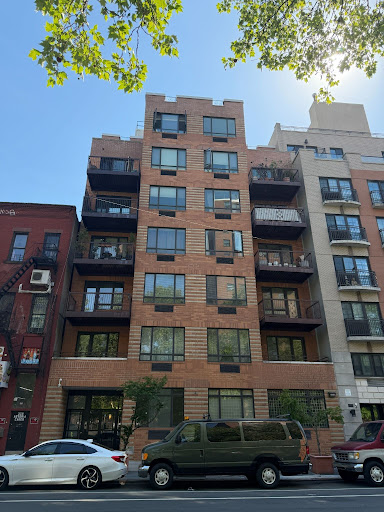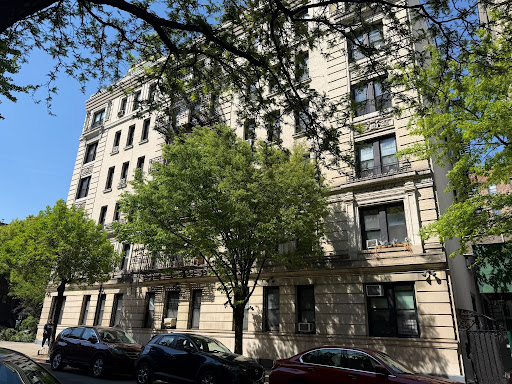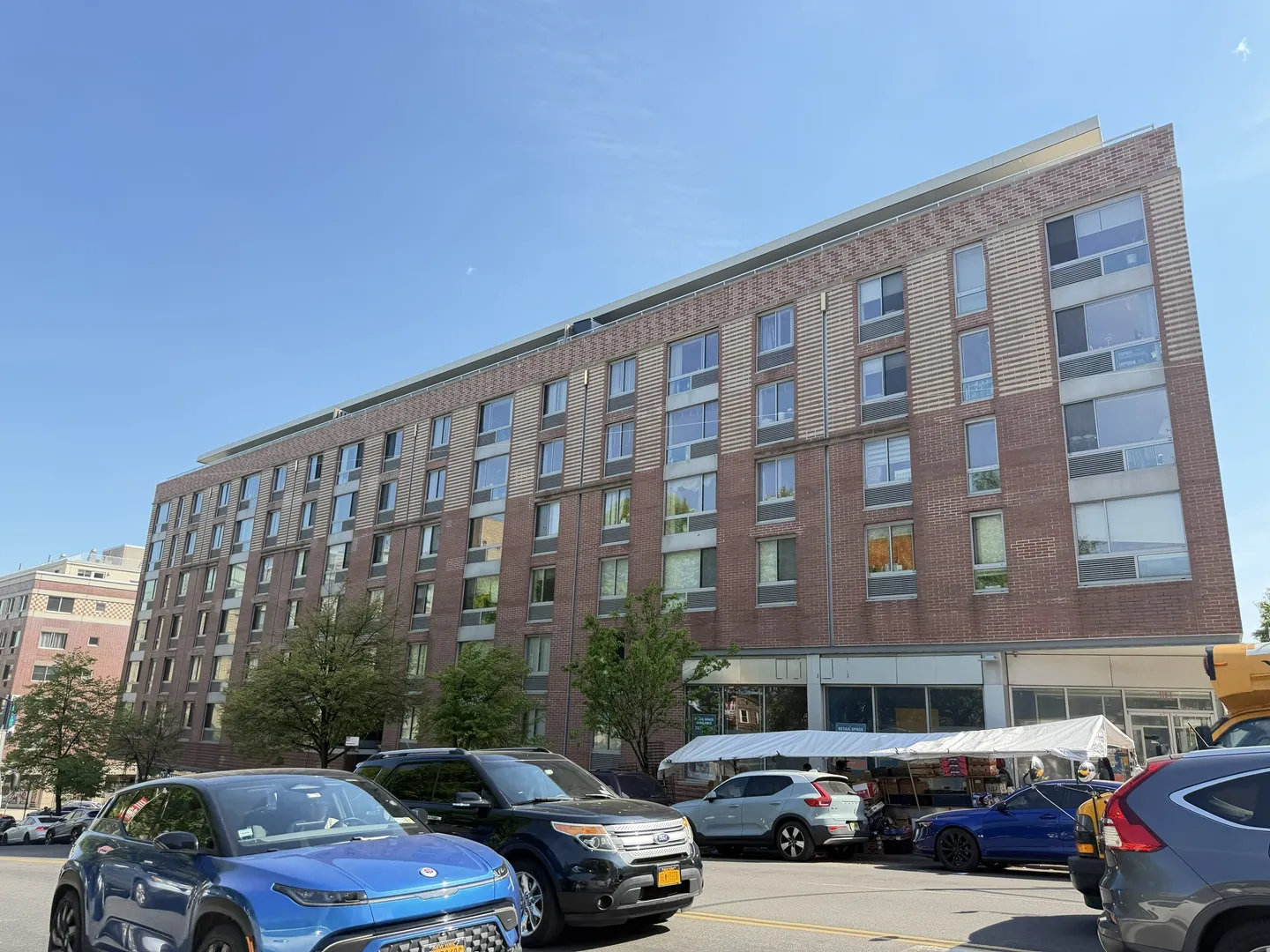

The nature of property management in Manhattan is such that it operates in one of the most challenging residential environments in the nation. The complexes are densely packed, and the regulatory environment is always stringent, with high expectations of performance on the part of both apartment dwellers and the condominium or co-op complex as an institution. Condominiums and co-ops exist side by side, reflecting old structures mixed with newer infrastructural developments, high-end facilities mixed with outdated structures and equipment, and a varied residential community mixed with stringent governance structures. In this kind of setting, competent property management is mandatory.
The topic under consideration specifically relates to condominium and co-op buildings, where unit owners are also the primary residents rather than non-owner occupants. Such work involves a much different set of management considerations overall because what is being decided impacts equity and doesn’t factor in short-term use in decision-making at all. Specifically, boards are fiduciaries with respect to overall building communities as their proxy within operation is the management company.
The essential question for the building owners and board members in Manhattan is quite simple, yet complex. What exactly does a property management firm actually deliver for the condominium or cooperative building in a Manhattan building, and what exactly do building boards need to know as they choose one or replace one? The response is more than collecting dues and attending to repairs. Proper building management affects more than the experience for the unit owners living in the shared building.
Through this blog, you can learn how HPM, property management, is carried out at Manhattan condominium buildings and co-op complexes.
The Basics: How Management Works In Manhattan Condos And Co-ops
Condominiums vs. Co-ops from a Management Perspective
Both condominiums and co-ops share similar operational necessities, though their organizational structures are quite different. In the case of a condominium, the homes are individually owned, while the common areas, including corridors, mechanics, and exterior structures, are jointly owned by the condominium residents. These condominium boards are elected by the condominium owners.
In a co-op, ownership is reflected by share ownership of a corporation that actually owns the building. Residents in co-ops occupy their units through ownership shares in the corporation, while co-op boards typically have broader authority over building operations, financial management, and community rules. These factors directly influence decision-making processes, financial oversight, and the way management supports the board.
Board Responsibilities vs Management Responsibilities
Boards formulate policies, authorize large expenditures, engage in large contract negotiations, and establish long-term plans. Boards speak for ownership and act as guardians for the future of the structure. Condominium property management firms carry out these functions daily. These functions include scheduling, communications, vendor relations, record maintenance, and city compliance.
A managing agent is a kind of implementation arm of a board. Though the board leads, “management is responsible for continuity and accountability.” This is a relationship that works well most times, but is completely inadequate under circumstances like those of Manhattan, where there is little room for error regarding deadlines and complexities of operations.
Normal Property Management Responsibilities
Property management in condos and co-ops in Manhattan typically includes employee management, owner relations, emergency response, management of vendors, financial management, and compliance. This includes overseeing superintendents and building staff as needed, maintenance and repairs, and management of building infrastructure such as elevators, HVAC, plumbing, and security.
The management acts as an effective communication hub through which all major notices are communicated. In areas of emergencies, response time and decision-making are important factors of concern, particularly in high-rise buildings or mixed-use buildings.
Why Manhattan Is Different
Manhattan poses its own set of challenges to what could otherwise be common in many other commercial real estate markets. There are higher building densities, ages, and heights, as well as increased regulations. Various entities of the city are responsible for different matters related to building safety, energy performance, finances, as well as building activity.
Errors in Manhattan matter. In addition to financial costs, they may erode trust in the ownership structure, cause project delays, and present boards with potential liability claims. The correct expertise must be utilized.
Governance, Communication, And Transparency For Boards and Owners
Understanding Governance Structures
The typical Manhattan condo board and co-op board is made up of volunteer-elected owners/shareholders. The officers, for example, presidents, treasurers, and secretaries, help divide responsibilities, while all members bear fiduciary responsibilities. The board bylaws, house rules, and policies serve as the blueprints, while management assists in making sure that these guidelines are followed.
Communication Between Boards, Management, and Owners
Communication is an essential characteristic of good property management. The board meetings should have an organized agenda and management reports. The management reports would include financial matters, updates on operations, status of compliance, and action items.
Building communication needs to happen correctly and promptly. It includes notices regarding facility maintenance, inspections, construction, or policy decisions. Feedback time regarding owner inquiries and service needs helps to avoid confusion and irritation.
Transparency as the Basic Standard
The modern condo and co-op board has high expectations when it comes to transparency. It means that owners and residents can easily see financial statements, contracts, compliance, and minutes. The modern technology platform supports this in that it enables residents and condo board members to see documents and building activity in real time.
This reduces conflict. Information flowed freely, and decisions had been put in writing. This caused more trust and more efficient board governance.
The Role of Technology in Governance
Technology enables the governing process by providing all elements of communication, documentation, and operations in one central location. Management software enables boards to look at dashboards, approve items electronically, as well as keep records. This proves particularly useful for members of the board who travel extensively, as well as those who do not live in the building regularly.
Instead, having one system that tracks all conversations, work orders, approvals, and reports allows for institutional memory and eliminates being at the mercy of personalities and manual processes.
Financial Management: The Long-Term Health of The Building
Main Financial Obligations
Handling finances is one of the most important functions of property management. This may include preparing budgets together with the board of directors, managing common fees or maintenance costs, paying suppliers and utility companies, and working with accountants on review or audit engagements.
This helps in ensuring continuity as well as responsible decision-making in the boardroom.
Budgeting and Forecasting in Manhattan
There are special costs that budgets of condos and co-ops in the Manhattan area need to consider. These costs involve regulation-related expenses, premiums, employment aspects, as well as energy-related considerations. Good budgeting practices will always consider both operating costs and future expenses.
The use of historical records, building condition evaluations, and regulatory timeframes can aid in making feasible predictions. Underestimating expenses can strain reserves and trigger abrupt notices, and overestimating can generate unnecessary tensions among owners.
Reserves and Capital Planning
Having healthy reserve funds means the property is flexible. Property management can assist the reserve planning process by coordinating engineering studies, analyzing capital requirements, and formulating long-range strategies. Façade repairs, boiler replacement, elevator modernization, and repairs to the roof may be considered large projects that must be planned well in advance. It makes a big difference in reducing disruption and, using financial capital, stretches over a period of time.
Financial Reporting and Accountability
Boards are to get regular financial reports, including the preparation of income and expense statements, balance sheets, and vendors’ ledgers, usually provided every month. Management will discuss variances, point out problems, and make suggestions accordingly.
Internal controls are necessary. Approval levels, documentation of procedures, and segregation of duties can effectively reduce mistakes as well as safeguard the funds for the construction of the building.
Operations, Maintenance, And NYC Compliance Services For Condominium And Cooperative Buildings
Day-to-Day Operations
The running of the building is the visible aspect of the property. This includes managing employees’ schedules, cleanliness, and presentation, and the general functionality of the building’s systems. These include elevators, heating and cooling systems, plumbing, electricity, and access control systems in a densely populated building in Manhattan.
Preventive Maintenance vs Reactive Maintenance
Preventive maintenance is even more important for older and or complex buildings. Scheduling these activities and performing them regularly helps avoid unexpected shutdowns and extends system life. The management must systematically follow through on these activities.
When repairs are reactive rather than preventive, they can often cause more disruption or expense. Preventive action will protect budgets and quality of life.
Navigating NYC Compliance Mandates
Manhattan buildings are also governed by several local regulations, ranging from safety, energy, to structural integrity. Some of these regulations include elevator compliance, façade safety initiatives, energy benchmarking, fire safety features, as well as signs.
Handling property is tasked with ensuring that inspections, filings, and repair work are coordinated among engineers and contractors. Being proactive in ensuring that the board complies is an important aspect of reducing liability and ensuring that boards meet their legal requirements.
Managing Capital Projects
Capital projects must have formalized processes. The management can help in scoping, involving the engineers and/or architects, bidding, scheduling, and monitoring. The board is responsible for major decisions, while management is responsible for implementation based on these decisions.
Communication in projects must be clear. This can help owners stay informed on project timelines, disruptions, and the project status.
Quality Control and Continuous Improvement
Operational data offers insights. A service request and work order system enables an understanding of areas where work can be improved. Regular operational analysis can work well in improving standards in accordance with the needs of the buildings.
Good operations translate to secured property values, reduced grievances, and a satisfied board.
Selecting And Partnering With A Manhattan Property Management Firm
Boards Must Address These Issues
The condo and co-op boards should choose those firms that have experience dealing with similar properties. General experience is not enough. They must also be conversant with the ownership aspects and city rules. There should be an available record of experience with structures similar in size, age, and complexity.
Technology Plus Expertise
Today, effective property management calls for cutting-edge technology as well as know-how. Technology is useful for efficiency, for example. Experience is important for judgment.
Boards of directors can profit from a management approach that integrates technology and ground knowledge of the Manhattan skyline.
Models of Layered Management
Instead, a layered management system sees several professionals assigned to each building. The building or property is handled by a particular property manager and with assistance from an account executive, assistant manager, and task or operations specialists.
Boards ought to query the number of buildings each manager manages and the composition of the support teams.
Service Standards and Responsiveness
Clear expectations are important. Boards should have definite response time requirements, reporting, and proactive communications. Management should alert boards to potential deadlines, inspections, and issues before they become problems.
Assessing Proposals and Planning for Transition
A considered RFP will take into account the needs, projects, and experiences, while interviews can include questions about staffing, technology, emergency plans, and vendor policy. In management succession, record organization and communication with owners are helpful. This helps in establishing goals for the initial ninety days. It helps in establishing momentum.
Conclusion: Strategic Management For Manhattan Condo And Co-op Owners
Managing property in condominiums and co-ops is a complex process that requires expertise related to governance, financial matters, operations, and legal requirements. Boards require more than administrative assistance. They require an ally skilled at implementing strategies, keeping things transparent, and reacting rapidly to a tough environment.
Knowing the ways of the world of property management is empowering for boards and owners who can then ask better questions, demand higher standards, and make better-informed decisions. A periodic review of the management relationship is essential to ensure that changing needs at a building level are taken care of.
HPM serves Manhattan’s condo and co-op buildings through a technology-enabled and multi-layered management service that combines operational acumen and financial management proficiency in order to assist boards in managing complexity while ensuring the long-term integrity of property.
FAQ’s
What makes property management in Manhattan more complex than in other boroughs?
Manhattan buildings face higher density, greater building age and height variation, stricter regulatory requirements, and tighter operational timelines. This combination demands deeper expertise, faster response, and more structured oversight than most other markets require.
How does a layered management model benefit condo and co-op boards in Manhattan?
A layered model assigns multiple professionals to each building, including a property manager, account executive, assistant manager, and operations specialists, so no single person becomes a bottleneck. Projects move forward, issues are tracked consistently, and boards receive clear updates without having to chase down one overwhelmed contact.
What financial reports should Manhattan condo and co-op boards expect from their management company?
Boards should receive monthly income and expense statements, balance sheets, vendor ledgers, and variance explanations in plain language. Capital planning projections for major building components, such as roofs, boilers, elevators, and façade work, should also be part of regular financial oversight.
How does proactive maintenance protect a Manhattan building’s long-term value?
Scheduled inspections and preventive servicing extend the life of elevators, mechanical systems, plumbing, and building exteriors. Catching issues early keeps repair costs controlled, avoids emergency disruptions, and preserves the quality of common areas that directly influence property values.
What should a condo or co-op board evaluate when selecting a property management firm in Manhattan?
Boards should look for demonstrated experience with comparable buildings, a clearly defined staffing structure, transparent reporting practices, defined response-time standards, technology platforms that support real-time visibility, and a documented vendor vetting process.

Jim Simari is Senior Vice President and co-owner at Harlem Property Management. With more than 25 years of experience in NYC condo and co-op management, he brings deep expertise in building operations, and asset performance. Jim oversees day-to-day property management operations across more than 85 residential buildings throughout Manhattan, Brooklyn, Queens, and the Bronx, ensuring consistent service, regulatory compliance, and long-term value for property owners.